

Better Insulation Helps Your Room Stay More Even, Quiet, and Usable All Year
How sunroom insulation improves indoor comfort comes down to one main idea: it helps hold indoor temperatures more steady. A well-insulated sunroom stays less hot in summer and less cold in winter. It can also cut drafts, lower glare, and reduce outside noise. In many homes, this makes the space easier to use for reading, eating, working, or relaxing during more months of the year.
What You Need to Know Before Starting
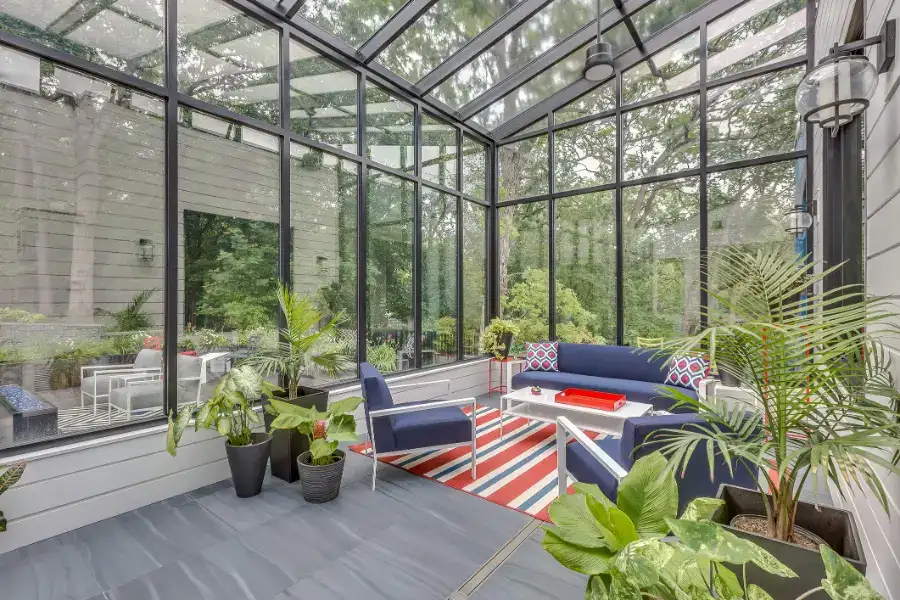
Before any sunroom installation or upgrade, it helps to know where comfort problems begin. Some sunrooms have large glass areas, thin wall sections, older windows, or gaps around doors. Others may have poor roof insulation or no air sealing. Even a nice-looking room can feel hard to use if heat moves in and out too fast.
You should also know that insulation works best as part of a full system. The glass, framing, roof, floor, and seals all matter. If one part is weak, the room may still feel too hot or too cold. This is why many homeowners start with a simple inspection of drafts, hot spots, cold floors, and moisture signs.
The service category keyword may be broad, but it still matters here because comfort issues often connect to how the whole room was built and finished.
Step-by-Step Ways Insulation Improves Comfort
Insulation does more than trap warm air. It slows heat transfer in both directions. That means the room is less likely to swing from chilly mornings to hot afternoons. During a sunroom installation project, these steps often make the biggest difference:
- Seal air leaks around windows, doors, and trim.
- Add roof insulation to reduce direct heat gain from above.
- Insulate wall cavities where the structure allows it.
- Improve floor insulation if the room sits over a cold base.
- Use better glazing or window films to control solar heat.
- Check that vents, fans, or HVAC support the room well.
Each step helps indoor comfort in a different way. Air sealing stops drafts that make people feel cold even when the thermostat says the room is warm. Roof and wall insulation slow heat loss on cold days. Better glass helps block harsh sun and can reduce fading on rugs and furniture. Floor insulation can make bare feet feel much better in cooler weather.
Common Mistakes to Avoid
One common mistake is thinking more insulation always fixes everything. If the room has air leaks, moisture problems, or poor glass, insulation alone may not solve the issue. Another mistake is insulating one area while ignoring another. A warm roof with drafty doors can still leave the room uncomfortable.
People also sometimes cover problems instead of fixing them. For example, heavy curtains may help with glare, but they do not stop air leaks around frames. Space heaters may warm the room for a short time, but they do not improve the building shell. In some cases, they can even create safety concerns when overused.
- Do not skip air sealing.
- Do not ignore older windows.
- Do not trap moisture inside wall or roof areas.
- Do not guess on insulation type without checking the room build.
When Comfort Problems Point to a Bigger Issue
If your sunroom feels damp, smells musty, shows condensation, or has large temperature swings, there may be more going on than low insulation. Water entry, missing vapor control, weak framing details, or poor HVAC planning can all affect comfort. In older rooms, materials may have settled or worn down over time.
Another red flag is when one side of the room feels very different from the other. That can mean uneven sun exposure, insulation gaps, or glass performance issues. If the room is hard to use for long periods, it is smart to look at the full layout instead of one small fix.
Safe Fixes and Pro-Level Upgrades
Some simple comfort improvements are easy to handle. Weatherstripping around doors, sealing small trim gaps, and adding shade control can help right away. These steps often improve comfort at a basic level and may cut some energy waste.
Other upgrades are better left to trained professionals. Opening wall cavities, changing roof insulation, adjusting glass systems, or tying the room into the home’s heating and cooling setup takes planning. In many sunroom installation projects, the best results come from pairing insulation work with proper ventilation and careful material choices.
Professional help is also useful when local codes, permits, or structural limits affect the project. A room that gets strong sun all day may need a different approach than one shaded by trees. The goal is not just to add insulation. The goal is to make the room feel balanced and usable.
Final Recommendation
If your sunroom is too hot, too cold, drafty, or noisy, insulation may be a big part of the answer. The best plan usually starts with finding where heat, air, and moisture are moving through the space. From there, the right mix of sealing, insulation, and glass upgrades can improve comfort in a lasting way. If you want help in Fayetteville, WV, reach out for guidance based on your room’s layout and condition. At Landmark Services LLC, we can talk through options and help you decide what makes sense for your space. Call us at (304) 244-3778 to get started.