

Key Factors That Help You Choose the Right Space, Design, and Plan
Before starting a sunroom installation, think about your goals, your home’s layout, your budget, local permits, and how you want to use the room all year. Some people want a quiet reading space. Others want a bright room for family time. The best choice depends on where the sun hits your home, how much insulation you need, and whether your current structure can support the new space. A little planning now can help you avoid stress later.
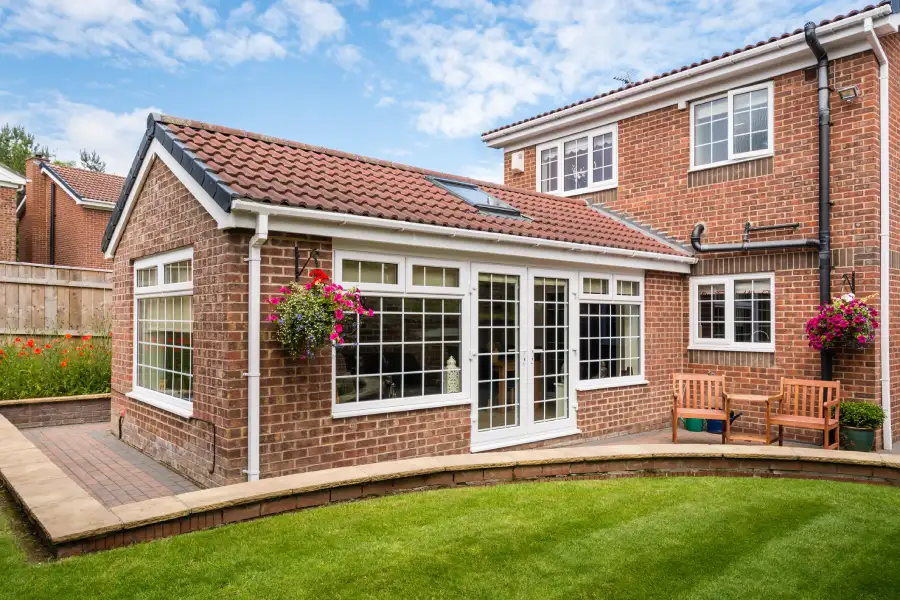
What You Need Before Starting
A sunroom can add light, comfort, and extra living space. But it should fit your home and daily life. Start by asking how you plan to use it. A room for morning coffee may need different windows than a room used as a home office. If you want to enjoy it in hot summers and cold winters, heating, cooling, and insulation matter a lot.
You should also look at the area where the room will go. Think about roof lines, drainage, yard slope, and door access. In many cases, sunroom installation also involves permits, inspections, and zoning rules. The service category keyword may relate to broader home improvement work, so it helps to look at the whole project and not just the windows and walls.
Step-by-Step Process
Most successful projects follow a simple path. Breaking the work into steps makes it easier to plan.
- Decide how you will use the room every day.
- Pick the best spot on your home.
- Check sun exposure during morning and afternoon hours.
- Set a clear project budget and wish list.
- Review local permit and code rules in your area.
- Choose materials for windows, walls, flooring, and roof.
- Think about heating, cooling, and electrical needs.
- Have the site and structure reviewed by a professional.
- Compare design options that match your home.
- Plan the build schedule around weather and access.
This process helps you spot problems early. For example, a west-facing room may get very hot in late afternoon sun. That could lead you to choose better glass or shades before the build starts.
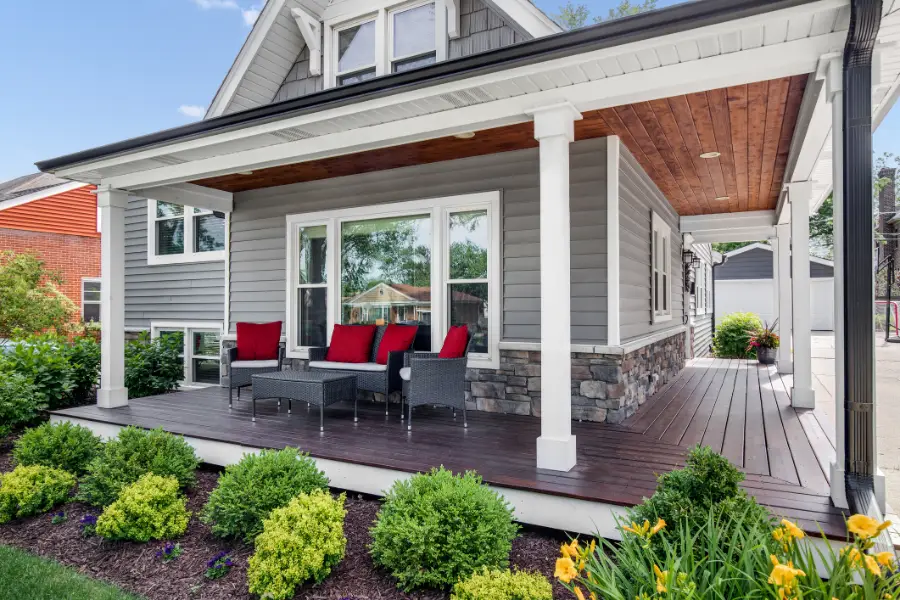
Common Mistakes to Avoid
One common mistake is choosing style over function. A room may look great on paper but feel too hot, too cold, or too bright in real life. Another mistake is skipping the permit process. That can lead to delays, extra costs, or trouble when selling your home later.
Some homeowners also forget about the foundation or existing structure. Not every patio or deck is ready to hold a new room. If the base is weak or uneven, the sunroom may have problems over time. Water runoff is another issue. If rain drains toward the home, it can lead to moisture damage around the new addition.
It is also easy to underestimate power needs. You may want lights, outlets, a ceiling fan, or even a small heating unit. Planning those items early can keep the room more useful and more comfortable.
When a Sunroom Makes the Most Sense
A sunroom is a good fit when you want more usable space without adding a full traditional room. It works well for homes with a nice backyard view, a patio area that gets good light, or a family that wants a casual space between indoors and outdoors.
- Choose a three-season room if you want light use in mild weather.
- Choose a four-season room if you want year-round comfort.
- Choose energy-efficient glass if your space gets strong direct sun.
- Choose durable flooring if kids, pets, or wet shoes will use the room.
- Choose a design that matches your roof and siding for a cleaner look.
These choices can shape the room’s comfort and long-term value. A well-planned sunroom installation should feel like a natural part of the home, not an afterthought.
When to Call a Professional
It is smart to get expert help early if the project involves structural changes, electrical work, HVAC updates, or permit questions. A professional can also help if you are not sure what type of room fits your goals. For example, many people ask for lots of glass but later learn they need better temperature control and glare reduction.
Support from a qualified team can also help with design details that are easy to miss. Window placement, roof pitch, drainage, and insulation all affect how the finished room feels. If your home has an older foundation or an unusual layout, outside help is even more useful.
In Fayetteville, WV, weather patterns may also affect material choices and scheduling. Heavy rain, strong sun, and seasonal temperature swings can all change what works best. Getting advice before work starts can save time and help you make better choices.
A Smart Next Step
If you’re thinking about a new space in Fayetteville, WV, we can help you plan a sunroom installation that fits your home and your daily life. Contact us at (304) 244-3778 to talk through ideas and timing. At Landmark Services LLC, we are happy to answer questions and help you take the next step with confidence.